
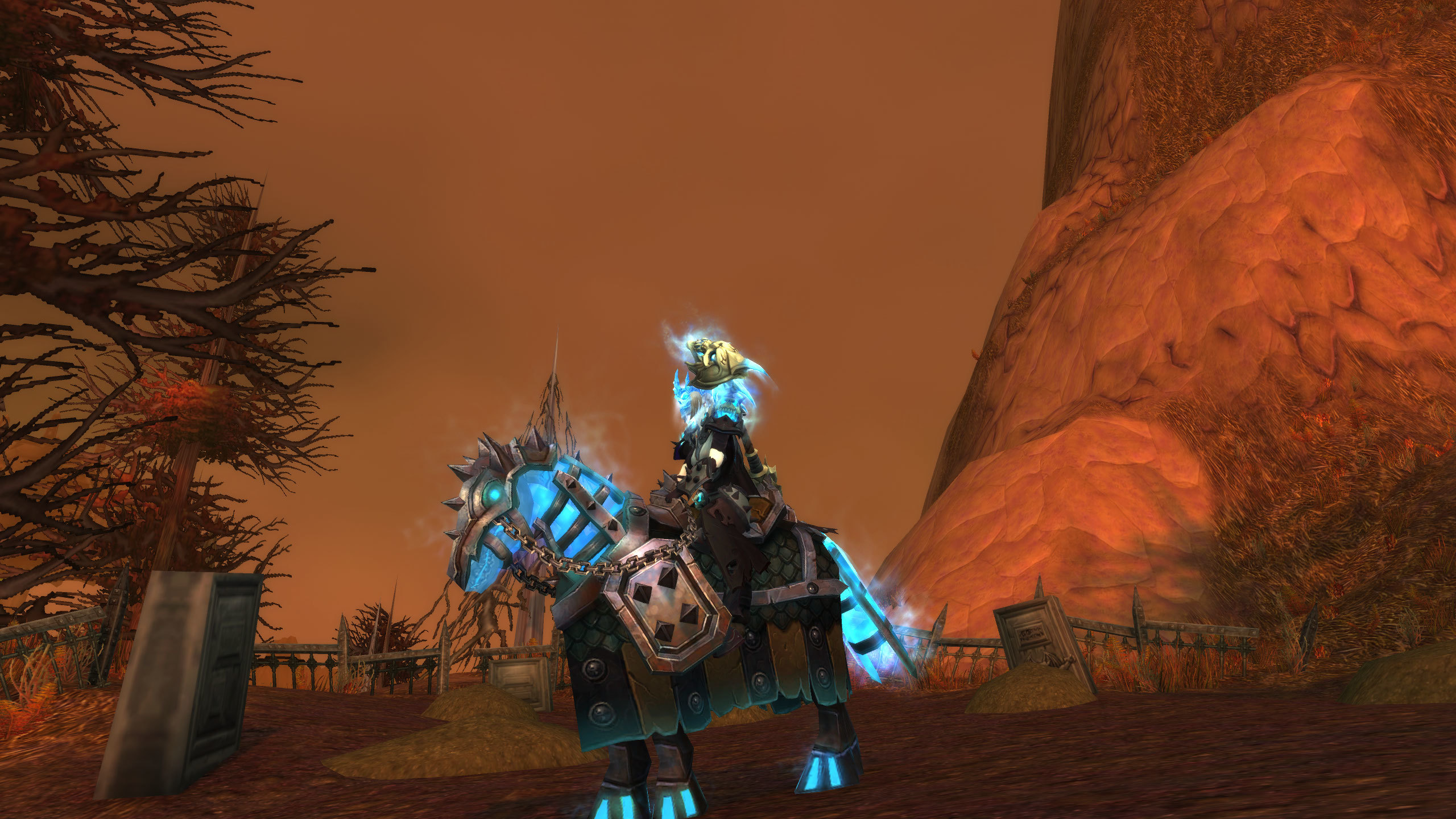
Cross-faction play introduces a shift in how players interact. Boundaries once taken for granted soften, allowing cooperation that redefines social expectations. The change alters not just mechanics, but perception.
This article explores how cross-faction play changes social dynamics and reshapes group interaction.
Old Divides Losing Weight
When cooperation becomes possible, long-standing separation fades. Players adjust quickly, focusing on shared goals rather than origin.
Function replaces division.
Interaction Becoming More Practical
Group formation centers on capability and availability. Identity matters less than contribution.
Utility guides choice.
Social Changes Introduced by Cross-Faction Play
New interaction patterns emerge as boundaries soften.
| Change | Previous Dynamic | New Outcome |
|---|---|---|
| Group formation | Faction restricted | Expanded cooperation |
| Social perception | Us versus them | Role-based identity |
| Community reach | Separated pools | Unified activity space |
Adaptation Without Resistance
Most players adapt quickly. Familiar routines adjust, and cooperation feels natural rather than forced.
Comfort returns fast.
Why Social Dynamics Shift Smoothly
Because goals remain unchanged, collaboration feels logical. The system aligns with player intent.
Design supports behavior.
Conclusion

Cross-faction play changes social dynamics by shifting focus from allegiance to cooperation. As boundaries fade, interaction becomes more flexible and inclusive. The result is a social landscape shaped by shared purpose rather than division.