Two decades after World of Warcraft first opened its gates, its roleplaying communities remain some of the most enduring and imaginative forces in gaming. Even as new expansions reshape the world, players continue to breathe life into Azeroth through creativity, storytelling, and shared improvisation. In 2025, roleplay isn’t just alive—it’s thriving in ways that even Blizzard could never have predicted.
This article explores how player creativity sustains the roleplay scene, evolving it into one of the most authentic and resilient cultures in WoW’s history.
The Legacy of Roleplay Servers
From the earliest days of Argent Dawn and Moon Guard, RP servers have been sanctuaries for imagination. While other realms chased gear and progression, roleplayers built communities, cities, and even political systems within the game. What began as tavern conversations and guild meetings evolved into massive story-driven events that spanned months or even years.
These worlds within worlds endure because their stories are personal—crafted not by developers, but by players who treat Azeroth as a shared narrative stage rather than a theme park.
Modern Tools for Creative Expression
In 2025, roleplayers have more tools than ever before. Addons like Total RP and TRP Extended allow custom backstories, dialogue prompts, and even player-made quests. Discord servers host interconnected storylines, while in-game events are now organized with cinematic flair using transmogs, emotes, and camera tricks.

This hybrid storytelling model—half in-game, half digital—has allowed RP to evolve beyond its boundaries, transforming Azeroth into a truly collaborative storytelling platform.
The Power of Community Storytelling
At the heart of every RP scene lies collaboration. Guilds form alliances, rivalries, and entire factions independent of Blizzard’s canon. Players create political intrigue in Stormwind, desert cults in Tanaris, or underground resistance movements in Orgrimmar. These stories aren’t limited by patch notes—they continue to evolve with each interaction.
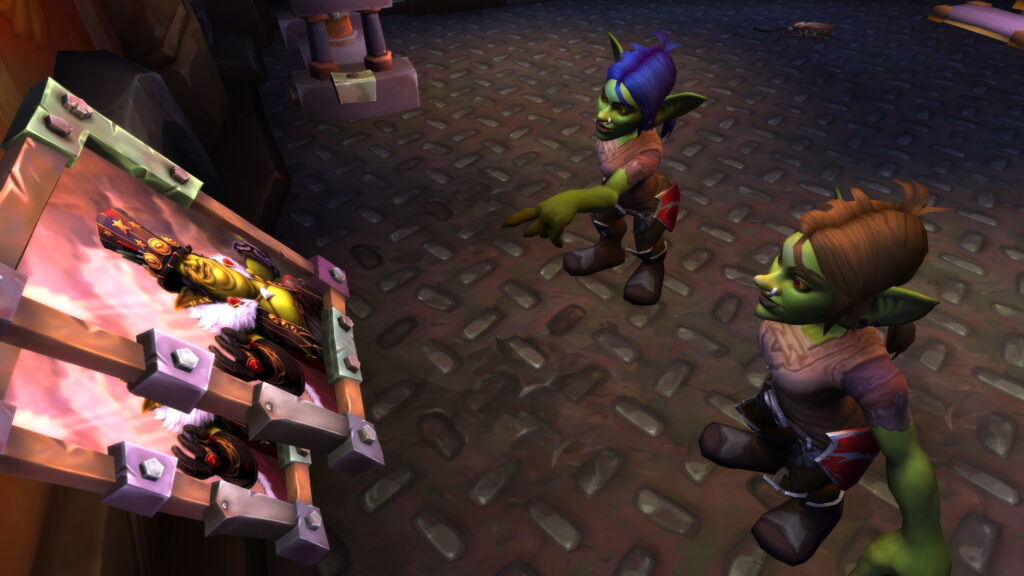
Through shared storytelling, players become both actors and authors, crafting a living history that mirrors—and sometimes challenges—the game’s official narrative.
Blizzard’s Subtle Support
While Blizzard rarely designs directly for RP, recent updates have made the experience smoother. Transmog freedom, emote expansions, and flexible housing-like systems in the Trading Post and Delves allow roleplayers to express individuality more vividly than ever before. The company’s passive support ensures creativity flourishes without interference.
Developers have also taken notice of community-led festivals and memorials, sometimes referencing them subtly in game—proof that the creative heartbeat of Azeroth resonates even within its design halls.
Iconic Roleplay Events of the Modern Era
In the post-Dragonflight era, player-organized events have reached cinematic scale. Annual gatherings like the Tavern Nights of Goldshire, the Stormwind Market Faire, and the Argent Masquerade draw hundreds of attendees. These events rival official content in creativity, turning once-quiet cities into bustling theaters of interaction.
Some guilds even produce serialized “seasons” of stories, complete with written scripts, character arcs, and recaps on forums and YouTube. Roleplay, in essence, has become community-driven game development.
- Stormwind Market Faire: Player-run trade hub with custom lore and rival merchants.
- Tavern Nights of Goldshire: Weekly social hub and improv storytelling event.
- Argent Masquerade: Cross-faction ball celebrating in-game holidays with original music playlists.
- Defias Chronicles: A long-running serialized RP campaign spanning multiple expansions.
The Role of Technology in RP’s Survival
Streaming platforms and AI-assisted writing tools have amplified the RP experience. Players use video editing to document campaigns, while AI-enhanced generators help build consistent lore for guilds and characters. Technology hasn’t replaced creativity—it’s expanded it, giving storytellers new ways to share their worlds.
As the line between player and creator blurs, Azeroth itself becomes a storytelling ecosystem where every adventurer can leave a mark.
Why Roleplay Endures
After twenty years, the secret to RP’s survival isn’t just nostalgia—it’s adaptability. Roleplay thrives because it gives players something that no update or patch can provide: agency. In a constantly changing MMO landscape, RP communities remain timeless, anchored by the stories they tell together.
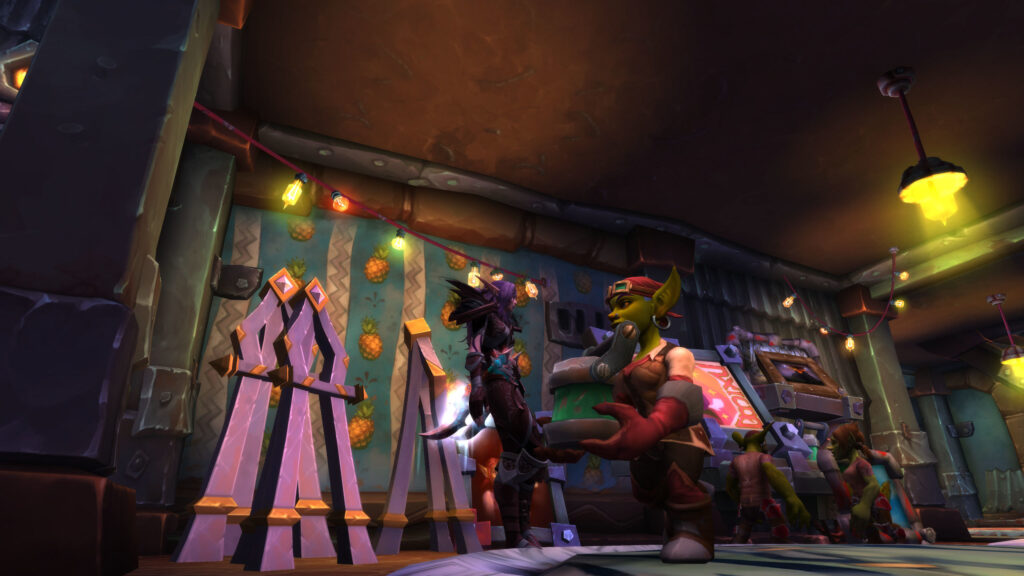
As long as there are players willing to imagine, Azeroth will never truly stop expanding. Its heart beats in every character backstory, every improvised scene, every whispered line in a crowded tavern.
Conclusion
Player creativity is the lifeblood of Azeroth’s soul. Through imagination and collaboration, roleplayers continue to transform a two-decade-old world into something ever new. In 2025, WoW’s roleplay communities stand as proof that the magic of Azeroth was never in its code—it’s in its people.
As long as there’s a spark of imagination, the stories of Azeroth will never end—only evolve.